Fort Street Cruise begins its travels

One of Downriver’s newest traditions began with a conversation involving Glen Cairns, son of Evelyn Cairns, who was the News-Herald’s long-time food critic and Lifestyles editor.
Glen owned a 1929 Ford Model A which he had restored and liked to show off. However, transporting the classic vehicle to the starting point of the Woodward Dream Cruise in Oakland County was too far a haul.
He felt a car cruise would fit best in the Downriver area, which was located just south of the historic Ford Rouge complex. “My son said, ‘This is where it should be because these are the car people,” Evelyn would indicate in a later interview.
Under the watchful eyes of Cairns, community booster Ed Clemente and News-Herald Publisher Donald Thurlow, Cruisin’ Downriver began in 2001 with a reported crowd of over 200,000. The event would continue until the early 2020s, when sponsorship was dropped after the Covid Pandemic. Although now unofficial, the last Saturday in June is still observed by many classic car enthusiasts.
Atofina Chemical explosion threatens south
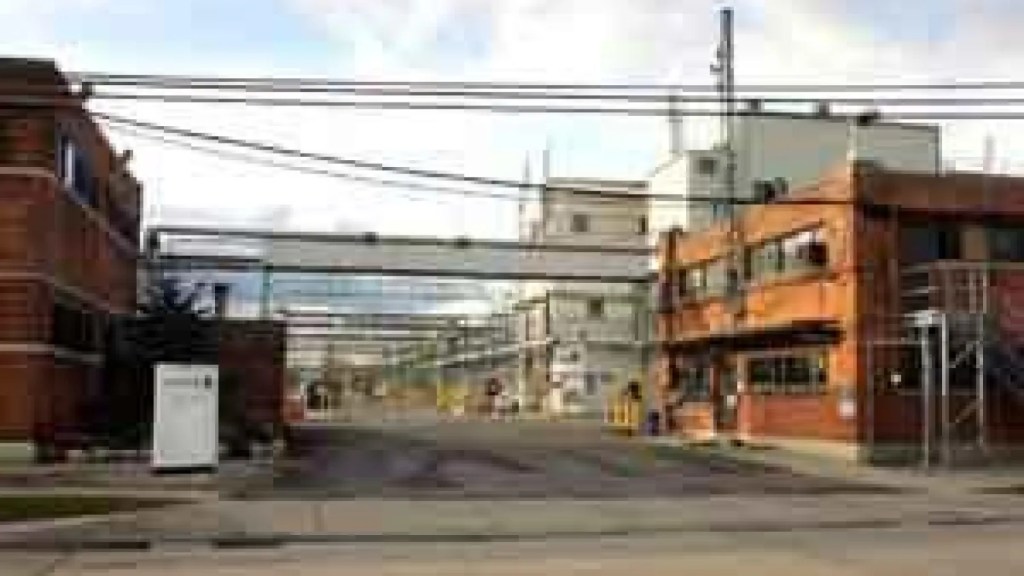
On July 14, 2001, Downriver narrowly averted a major disaster which occurred at the Atofina Chemical Plant on West Jefferson and Pennsylvania in Riverview, which employed 212 people. A connector pipe separated from a faulty valve attached to a railcar, through which methyl mercaptan was being pumped. A 911 dispatch was placed at 3:41 AM and first responders arrived at the scene just after 4:00.
At 4:10, low-level ground vapors began burning, resulting in a fireball explosion approximately 50 feet wide and over 200 feet high. The fire would burn for seven hours, with chemical vapor being taken by the wind into Grosse Ile and Ontario. By 5:00 AM, Riverview Fire Chief Robert Hale began to order the evacuation of thousands of residents living in Grosse Ile, Riverview, Trenton and Wyandotte. Three employees died as a result of the explosion.
Reaction to the disaster was immediate, yet panicked. Grosse Ile did not have a system of alert sirens and were short of public safety personnel, who might have been able to drive around the Township with bullhorns. The Township was forced to resort to a telephone directory to contact residents, but some complained that they either never got a phone call, or received one too late. The Coast Guard shut down both the Detroit River and Trenton Channel, three shelters were put into place for evacuees, and people as far as Essex County, Ontario were braced to evacuate until a wind change made such a step unnecessary.
Two weeks later, residents packed a Public Hearing to address the issue, demanding a better type of Emergency Alert System made for disasters outside extreme weather events. In the meantime, two class-action lawsuits had been levied against Atofina for the disaster. Adding to the woes for those affected, neither the Wayne County Board of Health nor the Michigan Department of Health would document the number of chemical exposure cases reported. An attempt at outreach to area universities resulted in a stalemate as well into December. A proposed system would be discussed in October involving Trenton’s Riverside Hospital, Wayne County and Detroit Metro Airport: if a resident heard a siren, tune in to an AM radio station for further updates.
In a positive post-script, by December of 2001, Grosse Ile announced they had an advanced siren and alert system erected and in place.
The “Duke of Downriver” passes away
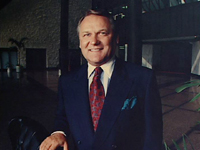
The Downriver area was in total shock to hear of the death of Heinz Prechter, at his own hands in July 2001.
Prechter, who formed American Sunroof Company (ASC) in southern California in 1965 and moved his operations Downriver beginning in 1968, had introduced the great automotive industry to the art of sunroofs, led a renaissance of sorts in western Southgate in the 1980s, and was the area’s greatest philantrophist and goodwill ambassador, lauded by President George W. Bush for his actions.
He is buried in a place of honor at Michigan Memorial Park. The performing arts center at the Wayne County Community College District in Taylor bears his name.
Americans come together after 9/11

The horrifying day that was September 11, 2001, stunned people around the world and drastically affected operations at Detroit Metropolitan Airport. Within hours of the early morning attacks at the World Trade Center, operations at the airport were suspended indefinitely, as they were for all flights coming in and out of the country.
After a silence of two days, a Spirit Airlines flight landed at Metro, marking the return of operations, but ones completely changed.
A person who had not been at the airport for years and was used to a terminal complex with easy public access would not find conditions the same. Security was ramped up considerably, formerly accessible areas were no longer permitted open. The long-time observation deck at the Smith Terminal was roped off and closed for the remainder of the terminal’s active life. The popular past-time of airplane spotting in adjacent lands off of Grant & Wayne Road were curtailed for security purposes. Traffic into the airport was strictly for those either dropping off or picking up passengers; there were no more people going to the airport just to people-watch. The charm the airport held at this time was long-gone, but safety potential was increased a great deal.
This would slow down, but not completely stop, the efforts at construction of the first new terminal at the airport in 27 years. The terminal, which would be named after Wayne County Executive Edward McNamara, would go into service two years later.
Montgomery Ward passes into history
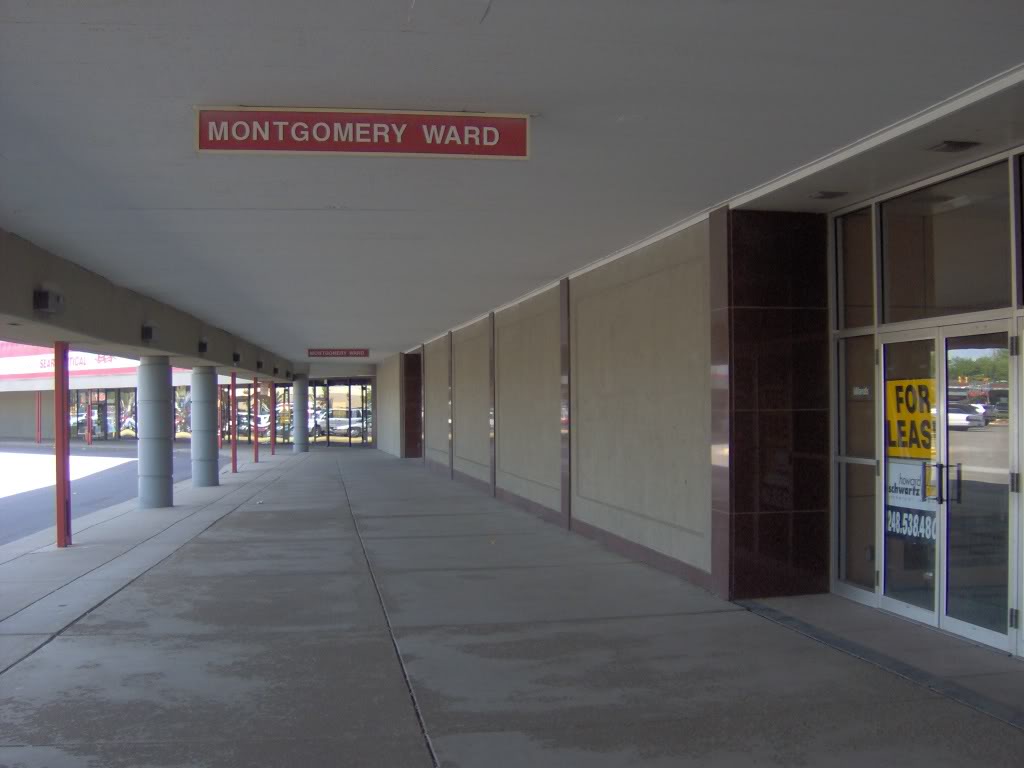
The first year of the new millenium ended with the sad news of the passing of a legend: after nearly 125 years in business, Montgomery Ward announced the closure of all its remaining nationwide stores, including the anchor store at Southgate Shopping Center.
Dismal holiday sales prompted the immediate announcement and action. Its closure, along with the recent reduction in size of Service Merchandise, left the center without a major anchor tenant.
Immediate plans were in the works following the closure, including the possible location of a Wal-Mart to take the place of Wards. There were even suggestions that the second floor could simply be ripped out for use as a home improvement store site. However, after much discussion, mall owner Michael Sisskind doubted there would be any movement toward a Wal-Mart store at that time. Interest for a future store then proceeded to a site near the Sears store in Lincoln Park. Wards’ Allen Park Distribution Center and surplus store had already closed their doors a couple years before.
 downriverhistory.blog