For BASF, Brownfield district pays off
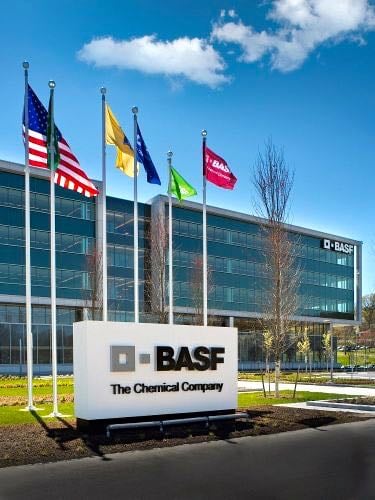
Good news for environmentalists rang in 1986, as it was announced a settlement had been reached between the state of Michigan and BASF regarding the long-polluted South Works facility lands south of Eureka Road in Wyandotte. The chemical company agreed to pay the state $290,000 to reimburse local taxpayers for “past and future costs of enforcement and (land quality) monitoring.”
This would symbolize the beginning of the end of a saga which had lasted since Attorney General Frank Kelley filed suit against BASF in October of 1983, involving allegations of soil and ground water pollution at both the North and South Works facilities. The south location had been mothballed in whole by the end of 1980. In the proposed consent agreement between the two parties, BASF would be committed to act upon the results of a scientific study of the two sites taken over the past few years. Included in the improvements were the installation of groundwater purge systems in four South Works locations and three North Works locations.
Elizabeth Park out of public domain?
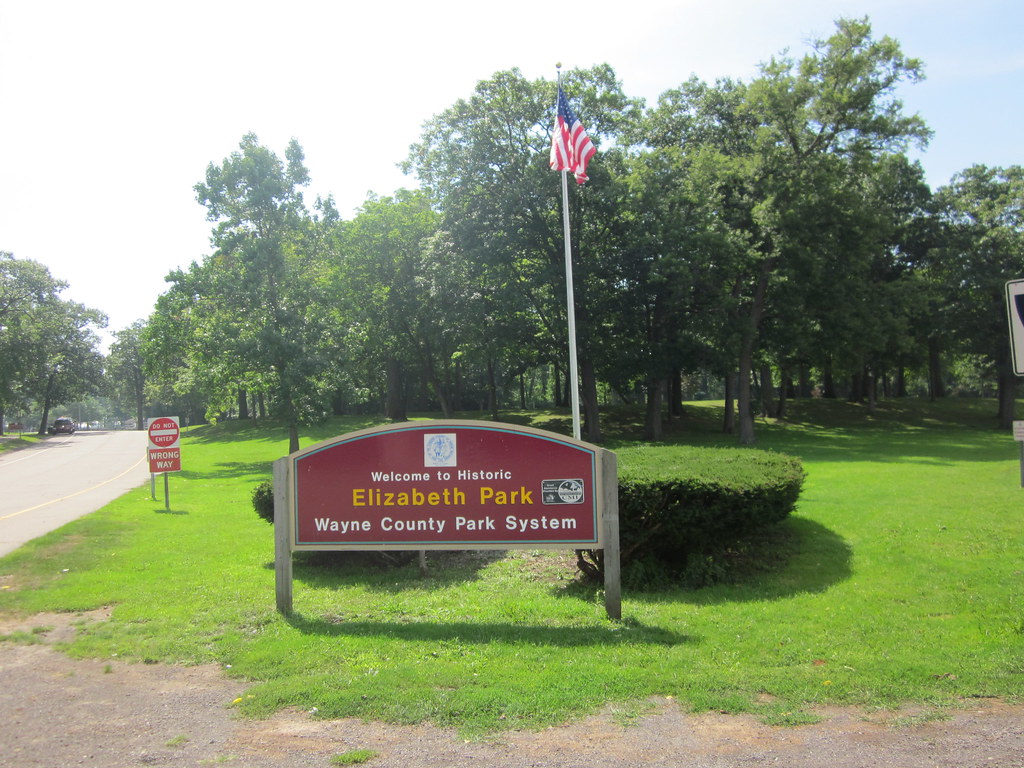
At the same time, a News-Herald editorial penned the need for voters to turn down a ballot proposal (in a presumed special election) promoting encroachment on lands surrounding Trenton’s Elizabeth Park.
Having originally been deeded to Wayne County by the pioneering Slocum family of Trenton for public use in 1911 (and symbolically dedicated as such via plaque in 1923), the land was threatened to return to its original private ownership due to the county’s proposal to construct an amphitheater on site. The initial design called for 1,500 parking spaces to accomodate the amphitheater, which would have taken 65 acres out of the 162 acre parkland. This was defined as encroachment affecting the public trust.
In spite of the extra revenue Trenton city officials said the new construction would provide, environmental impact was additionally cited as a concern for the area’s well-being (the amphitheater would be designed for higher-level rock concerts, for example). Petitions from seven different communities calling for a retraction of the project were being circulated.
Allen Park VA Hospital gets reprieve
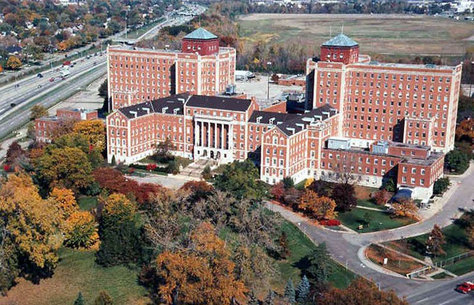
The end of 1986 would bring good news to veterans & their families, as well as building preservationists: the Allen Park VA Hospital on Southfield and Outer Drive would remain open concurrently with a new hospital proposed for the Detroit Medical Center area. The road to the decision had not been easy, but it would involve spending between $41 and $52 million to help upgrade the 39-acre Allen Park facility, which had been built in 1938.
As far back as 1972, there were complaints the facility had operational cost overruns, and by 1975 veterans staying at the hospital were complaining the building was outmoded. These proposed renovations would result in a reduction of bed space; the number falling from 611 to 420.
These proposed renovations would result in a reduction of bed space; the number falling from 611 to 420. However, a total of 180 of those 420 beds had been saved from possible relocation to a facility in Battle Creek. The issue of cost overruns, meanwhile, were tied to the need for upgraded staff; namely, specialists to tend to the increasing advancements in technology.
Meanwhile, the Holiday Drive-In on West Road in Brownstown became the second of the five Downriver locations to shut down at the close of the 1986 season, following the 1984 closing of the Michigan in Southgate. Overall drive-in numbers nationally and state-wide were beginning to spiral downward.
Ecorse heads into receivership, a first
In spite of previous warnings and the knowledge of a deficit approaching $6 million, the December 1986 announcement of Ecorse falling under state receivership made headlines as the first such occurrence in Michigan history.
The emergency manager was Louis Schimmel, who was appointed by Wayne County Circuit Judge Richard Dunne at a salary of $100 per hour. Schimmel would immediately become unpopular with Ecorse citizens with the cuts in programs and routines he would implement in the ensuing years.
Ecorse’s deficit could be traced to tax abatements given to Great Lakes Steel Works, in addition to prior political administrations mismanaging money. These abatements had also affected the Ecorse and River Rouge Public School districts.
As the first occurrence in the state, their story would bear watching closely.
 downriverhistory.blog