Hudson’s gets into local record squabble
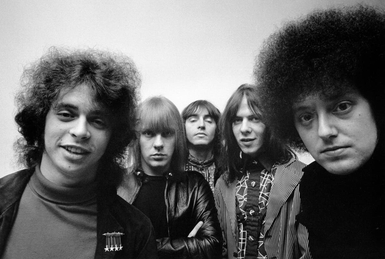
Southland’s initial reputation was solidified mere months after opening, as Downriver shopping habits were forever changed. It would be the actions of Downriver’s most famous rock group that would give Southland’s new anchor tenant – J.L. Hudson – some unwanted headaches.
The Motor City Five – best known as The MC5 – had formed in Lincoln Park in 1964 and within a few short years, their stature had grown exponentially, headlining concerts at the Grande Ballroom in Detroit. Their initial album release, Kick Out The Jams, was recorded entirely at that venue and would become Billboard Magazine’s ninth-best Live Rock album of all time.
As was often the case with the atmosphere in late-1960s music as well as the MC5’s raw roots, one song had a vulgar verse written for it. Hudson would take the group to task by refusing to carry the album in their stores. Since Hudson still had huge clout in the industry say-so, this affected sales and potential profit for the MC5.
Reacting passionately, the group took out a full-page ad in the offbeat Fifth Estate magazine, increasing the scope of vulgar scorn to the department store itself. The chain then took the liberal step of pulling the entire stock of its record label (Elektra) off the shelves. Again, owing to its continued industry-wide respect, the move by Hudson now became bad for Elektra’s bottom line, to the point the MC5 would eventually be dropped from the label altogether. Hudson would continue to back this ban throughout MC5’s later signing with Atlantic Records.
Though two more albums would be released under the MC5 name, the charm appeared over. Within a few years, they would officially disband their original lineup. But time would later show that Downriver’s appreciation of their home-grown talent would grow to epic proportions, spanning different generations of listeners.
 downriverhistory.blog